

Bad credit can make getting a mortgage more difficult, but it does not always prevent you from securing one. Lenders use your credit history to assess risk, so if your record shows missed payments, defaults or financial instability, they may see you as a higher-risk borrower. This can affect the types of mortgage deals available to you, the interest rates offered and the size of deposit required.
Mortgage To Home works with clients who have a wide range of credit profiles and understands how lenders assess applications. Even with bad credit, there are still options available. The key is understanding how your financial history impacts your application and taking the right steps to improve your position before applying.
What Is ‘Bad Credit’?
Bad credit is a term used to describe a history of financial behaviour that suggests you may struggle to meet repayments. Lenders review your credit file to assess this risk before deciding whether to approve your application. Some common reasons for having a bad credit score include:
- Missed or late payments on credit cards, loans or bills
- Defaults or County Court Judgements (CCJs)
- Bankruptcy or Individual Voluntary Arrangements (IVAs)
- High levels of outstanding debt
- Frequent applications for credit in a short period
- Limited or no credit history
Having bad credit does not mean you cannot get a mortgage, but it does mean lenders will look more closely at your finances and may apply stricter criteria. Working with an experienced mortgage broker can help mitigate the risks and get you on the path to securing your mortgage – contact Mortgage To Home now for more information.
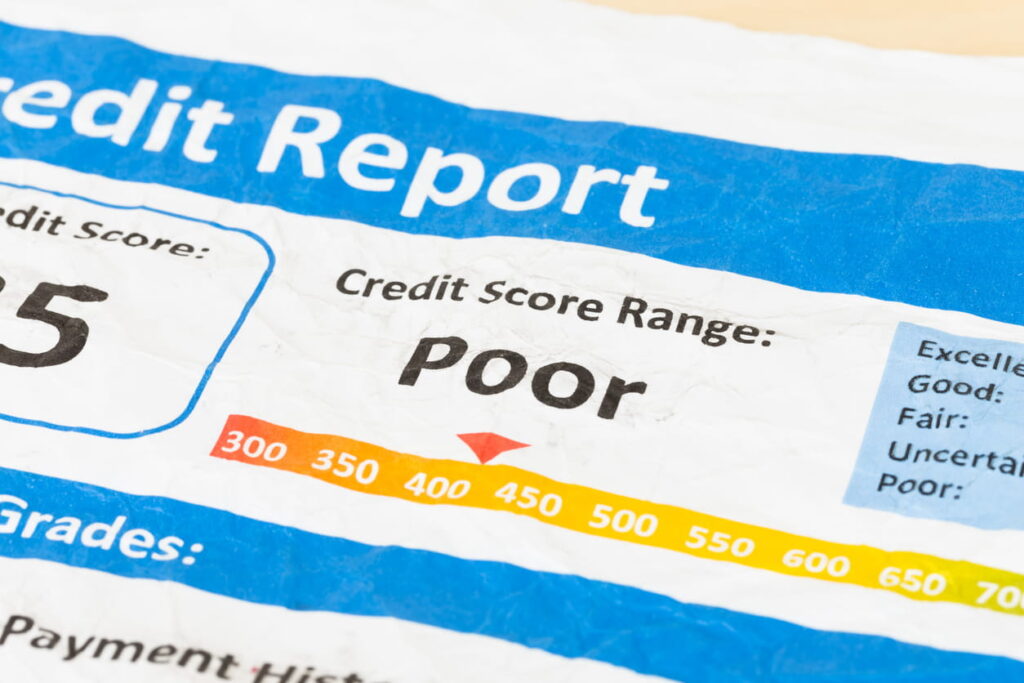
Key Things That Can Lower Your Credit Score
Your credit score reflects how you manage your finances over time. Small issues can accumulate and affect your ability to secure a mortgage if left unaddressed. Missed payments are one of the most common causes, even if they are only by a few days. Regularly exceeding credit limits or carrying high balances can also signal financial pressure to lenders.
Your overall financial behaviour also plays a role. Applying for multiple forms of credit in a short space of time can reduce your score, as can having little to no credit history. Lenders prefer to see consistent, responsible credit use rather than inactivity or sudden spikes in borrowing.
Key points
- Payment history is one of the most important factors lenders assess
- High credit utilisation can reduce your score significantly.
- Too many credit applications can signal financial instability.
- A lack of credit history can make it harder to assess risk.
- Keeping accounts well-managed helps build a stronger profile.
What Is The Lowest Credit Score To Buy A House?
There is no fixed minimum credit score required to buy a house, as each lender sets their own criteria. Some lenders are more flexible than others and will consider applications with lower scores, particularly if other aspects of your finances are strong. This includes stable income, a larger deposit or a consistent employment history.
In general, the lower your credit score, the fewer options you may have, whether you’re a first-time buyer, buy-to-let investor, or home mover. You may need to pay higher interest rates or provide a larger deposit to offset the perceived risk. Specialist lenders often cater to borrowers with adverse credit, offering tailored mortgage products designed to support those with past financial difficulties.
It is important to remember that lenders do not rely on your credit score alone. They will assess your full financial situation, including income, outgoings and overall affordability. Improving your credit profile, even slightly, can make a noticeable difference to the deals available to you.
Can A Mortgage Broker Help With Bad Credit?
A mortgage broker can play a key role in helping you secure a mortgage if you have bad credit. Brokers understand lender criteria and know which providers are more likely to consider your application. This can save you time and reduce the risk of repeated declined applications, which can further impact your credit file.
Mortgage To Home works closely with a wide range of lenders, including those specialising in bad-credit cases. We help you present your application in the strongest possible way, ensuring all supporting documents are in place and that your circumstances are clearly explained. This increases your chances of securing a suitable mortgage deal.
Can You Absorb Debt Into A Mortgage?
In some cases, it is possible to consolidate existing debt into a mortgage, typically through a remortgage. This allows you to combine unsecured debts, such as credit cards or loans, into one monthly payment secured against your property. It can simplify your finances and potentially reduce your monthly outgoings.
However, this approach is not always suitable for everyone. While it may lower your monthly payments, it can increase the total amount of interest paid over time, as the debt is spread across a longer term. Lenders will carefully assess whether this is an affordable and responsible option before approving the application.
Mortgage To Home Can Help You Secure Your Mortgage Even With Bad Credit – Contact Us Now
If you are worried about how bad credit may affect your mortgage application, you are not alone. Many people assume they will be declined without exploring their options, but this is not always the case. With the right guidance, you can still find a path forward and secure a mortgage that works for your situation.
Mortgage To Home provides clear, practical advice to help you move forward with your mortgage application. We assess your circumstances, explain your options and support you through the entire process. Contact us today to find out how we can help you secure your mortgage, even if your credit history is less than perfect.